
Spotlight
Spotlight on our clinical coding team: Turning patient stories into data that drives care
From helping shape future services and supporting patient safety, to informing research and ensuring the trust is appropriately funded, the work of our clinical coding team has a far-reaching impact across the organisation.
Yet despite influencing almost every aspect of healthcare delivery, many people may not know exactly what clinical coding is or the role the team plays behind the scenes.
Based across Musgrove Park and Yeovil hospitals, the team of 43 colleagues translates the details of around 150,000 patient visits per year into standardised clinical codes, creating a rich source of information for both clinical and statistical uses that helps clinicians, managers, researchers and decision-makers understand and improve care.
In the last two years alone, the team has coded almost 300,000 hospital spells, representing more than £472 million of healthcare activity for our trust.
Rachel Darby, our clinical coding trainer and development manager, explains: "Clinical coding is the translation of patient medical and clinical information and all medical documentation into coded data.
"We use ICD-10 classification for diseases and health-related problems and OPCS 4.11 for interventions and procedures. These contain alphanumerical codes, which are applied according to national standards. That means everybody across the NHS is coding to the same rules, making the data comparable locally and nationally."
The team's work encompasses activity across our acute and community hospitals, including the coding of all care for patients admitted to hospital, and it provides support and advice for coding within emergency care and outpatient services.
“We record our hospitals' activity, including all the procedures and interventions they perform,” Rachel continues.
“Our data goes to our local data warehouse before being submitted nationally to the Hospital Episode Statistics (HES) and Secondary Uses Service (SUS) warehouses, where it can then be used for all sorts of things, from planning activity and commissioning services to research and healthcare funding.
"When the trust was preparing to introduce robotic surgery, for example, our data was used to demonstrate the volume of procedures that could potentially benefit from robot-assisted techniques and help justify the investment."
For Natalie Parsley, our senior clinical coder and the service’s communications champion, one of the most rewarding aspects of the role is understanding the wider impact of the team's work.
"The impact and ripple effect of how the data is then used shows the bigger picture for everything we do as a team," she says.
"Data is increasingly being used within the NHS at the moment to support decision making and future planning, so it's really important that it is fully accurate!
“In combination with the NHS 10 year plan and the focus on digital, there is a clear acknowledgement of the value of high quality digital data.
“We are passionate about what we do, and it is rewarding to share with others why it's relevant to our hospitals.”
Rachel describes the team as a vital link between the clinical and data worlds. "We are very much an interface between the clinical world and the data world," she says.
Far from simply entering information into a system, Natalie says clinical coders help capture the complete picture of a patient's time in hospital by analysing and abstracting relevant information from the medical documentation for a patient’s stay in hospital.
"We have a lot of knowledge of clinical conditions and procedures,” she says. “It's also important that we understand how the data is being used so we can make it meaningful useful and fit for purpose."
"We look at information using a wide range of hospital systems and from lots of different sources documented by all the different people involved in a patient's care.
“This includes both physical notes by doctors, nursing colleagues and healthcare assistants, documenting everything from pressure sores to interventions such as urinary catheter insertions for retention. This is in addition to electronic documentation, such as histology and radiology reports, clinic letters, operation notes and cell-salvage and referrals to the palliative care team – to name a few!
"It's a mixture of all the details such as comorbidities, any complications and variety of interventions whilst a patient is in hospital alongside what we would call ‘the primary diagnosis’ or main problem being treated or investigated that make up the whole story, as we can help capture elements of a patient's stay that otherwise might not be visible when you're looking at individual parts of their care."
The information generated through clinical coding can also support service improvement and patient safety initiatives.
One example involved work with our neurosciences team to better understand functional neurological disorder (FND) to ensure we are coding this consistently and accurately, helping to support future improvements to patient pathways and information by producing reliable data for the clinical team to work with.
Natalie believes there is even greater potential for clinical coders and clinical teams to work together.
"There will be so much more we can do if people know about the service we offer," she says. "A lot of improvement projects are using data to make decisions. The information is there, but people need to know how to access it and how to understand it.
"There's a real opportunity for coders to work with clinicians and help them identify and understand patient groups using codes in the most effective way."
This year the team is really hoping to build on its engagement with other teams. It already has a clinical coding data analyst, who works closely with data engineering, and it’s hoping to expand engagement to other teams as well to really improve on the quality of the data the service is producing for the trust.
The team's expertise is built on years of specialist training and experience, with colleagues coming from a remarkably diverse range of backgrounds, including former nurses, paramedics, healthcare assistants, library technicians, medical secretaries and professionals who previously worked in coding roles overseas. A few have come straight from postgraduate degrees, whilst others have moved through various roles in the NHS before finding clinical coding.
"There isn't a direct route into clinical coding from university," Natalie explains. "People come from lots of different backgrounds, which makes it an exciting place to work. You’re always learning something new!”
Innovation is also shaping the team's future, as alongside exploring automation to support coding for cataract procedures, colleagues are developing artificial intelligence tools that could help streamline parts of the coding process.
Rachel adds: "We have lots of plans for the future, and we want to build people's skills, make use of their knowledge and create opportunities for development.
"We all really love what we do, and have spent a lot of time helping our team understand the wider picture and the importance of where we sit within the trust's data flow, and we're keen to share that with colleagues throughout the Trust."
When asked to describe the team, colleagues used words such as friendly, supportive, hard-working, amazing, hilarious and, on occasion, exhausted.
What inspires them? A shared interest in medicine, problem-solving and continual learning.
What makes a great day at work? Laughter, teamwork, reducing the backlog and, perhaps unsurprisingly, cake.
And if there is one message they would like colleagues across the trust to remember, it’s a simple one.
Natalie says: "Everybody in the hospital has an impact on our work. Clear, consistent and concise documentation really matters, and we genuinely appreciate all the effort colleagues put into recording patient care.
"Ahead of the implementation of Healthset, if there's one thing we want people to take away, it's to please remember to document everything in patient notes or on clinical systems, because while our clinical coding team may work behind the scenes, the information we capture plays a vital role in helping the trust understand, improve and plan care for the patients and communities we serve.”
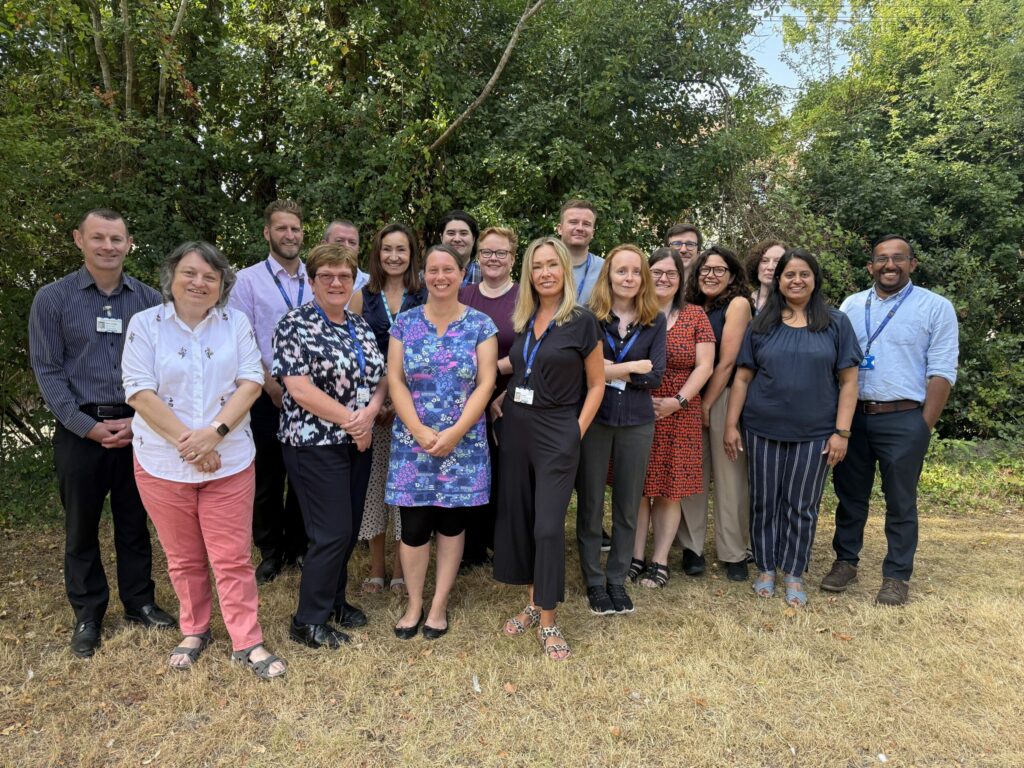
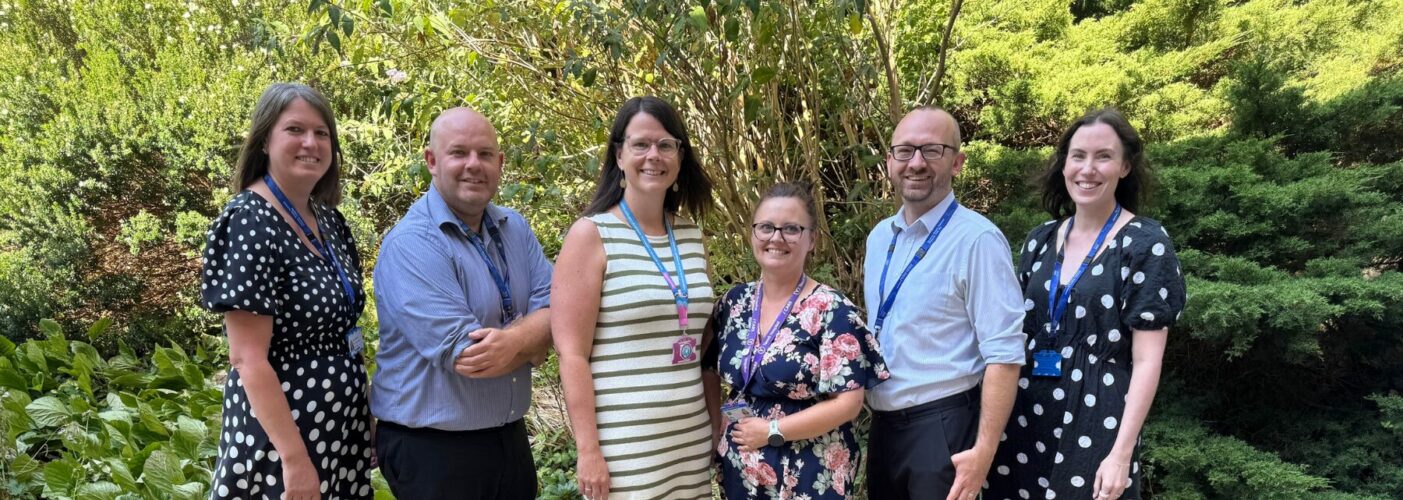
The Musgrove Park Hospital based team is pictured below.