

Spotlight
Keeping your skin safe in the summer sun
With the sun in full force lately, skin cancer nurse Hannah Pollock is sharing some key actions you can take to keep yourself safe in the sun, which has been featured in Somerset County Gazette this week (Thursday 17 July). We will be producing a monthly column 'Hear from your NHS' on actions you can take to prevent ill health and keep well, with different clinicians penning articles with advice for patients in Somerset.
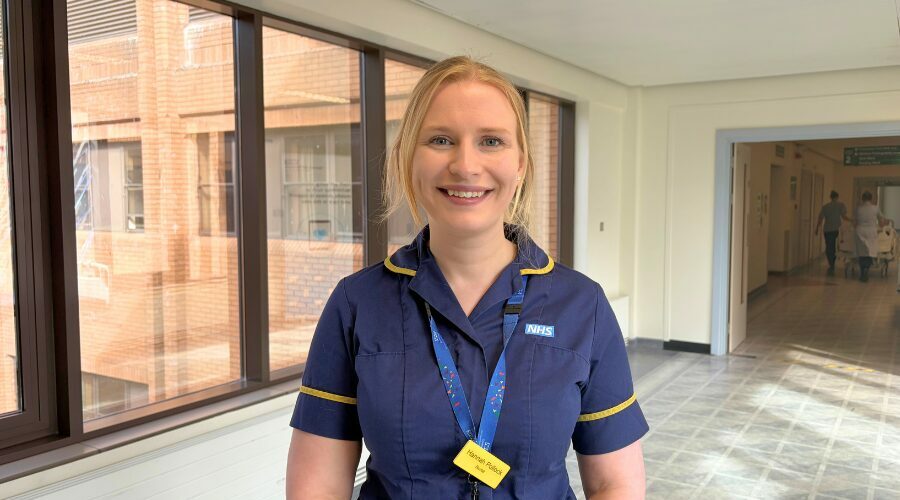
My name is Hannah Pollock, and I’m a skin cancer oncology nurse at Somerset NHS Foundation Trust.
When I was around 4 or 5, my Nan had melanoma. I remember how kind the nurses were to our family. They made a difficult time easier for our family. That experience stayed with me, and I knew I wanted to try and make a difference and support patients too.
Now, I support patients who may need oncology as part of their skin cancer treatment. I sit alongside them in their treatment journey, and I see firsthand how cancer treatment is such a huge thing to go through.
Prevention is one of the most important ways we can reduce skin cancer, and many cases are avoidable. Nearly nine in ten cases of melanoma skin cancer could be prevented by staying safe in the sun and avoiding sunbeds.
It is important to avoid direct sunlight and seek shade between 11am and 3pm, when the sun’s UV rays are strongest.
Using sunscreen correctly is also key. People should apply sunscreen liberally to exposed skin 15 to 30 minutes before going out and reapply every two hours or after swimming or sweating.
A broad-spectrum SPF 30 or higher should be used. The best sunscreen is the one you will actually use.
Covering exposed skin is another important step, lightweight long sleeves and trousers protect your skin, and a hat protects your scalp. Protecting your eyes with wraparound sunglasses can help reduce the risk of sun damage too.
It is also important to understand the UV index, which tells you how strong the sun’s UV rays are and how likely you are to burn. Even in the UK, moderate to high UV levels mean sun protection is required.
More than five sunburns doubles your risk of melanoma skin cancer, and incidence rates are increasing by around a third over the past decade in the UK.
Finally, I would encourage anyone who has noticed changes in their moles or lesions to contact their GP. Many of these moles or lesions do not end up being anything serious, however, it is always important to be diagnosed early as early-stage melanomas are generally curable.
Visit the ‘melanoma focus’ website for more information and advice.