


Spotlight
Study aims to predict low blood sugar levels in children during exercise
Somerset FT is one of five NHS trusts in England taking part in an important study that aims to better manage blood sugar levels during exercise in children with type 1 diabetes.
A team of research specialists and consultant paediatrician, Dr Gita Modgil, are recruiting children at our trust aged 5 – 17 years old, who are living with type 1 diabetes, to find out whether a prediction model – called GlucoseGoKids – can forecast levels during exercise in children in the same way it can adults.
The study aims to recruit 200 children from two different age groups – 5-11 years old and 12-17 years old – which covers the difference in managing the diabetes of children before and during secondary school.
Giorgio Carrieri, our lead paediatric diabetes specialist nurse, has supported delivery of the study since the start, and it’s thanks to him that Musgrove Park Hospital was put forward as a recruiting site.
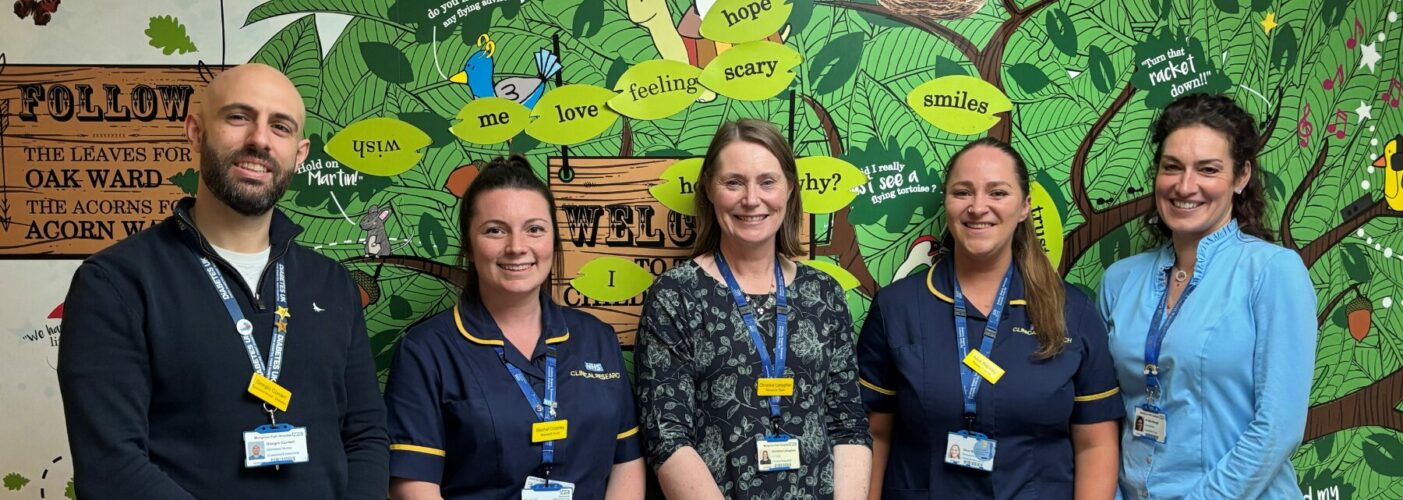
Alice Blackley, one of our clinical research nurses for paediatrics, explains our trust’s involvement in the study. “The overall aim of the study is to develop a tool that can predict how low blood sugar levels go when children exercise,” she says.
“Over the years, we’ve spoken to many children who’ve stopped exercising and doing things they really enjoy, because their blood sugar levels were all over the place.
“A similar study has already been carried out in adults, but this is the first time it has been run for children.
“It’s a really low intensive study as the children (with the help of their parents!) just need to fill in an exercise diary for two weeks, retrospectively, as best as they can remember, and then two weeks in real time.
“This includes when they start and finish any exercise, how easy or hard they found it, and whether they took any steps to manage their blood sugar levels. They’re also asked to log the times they ate their meals, woke up, and went to bed.
“We’re then able to gather data from patients’ consultants for those who have a continuous glucose monitor in place, and we are able to link their blood sugar level with the amount of exercise they’ve been doing.
“We then send this data to the University of Exeter study centre, where the team pulls it all together, along with the other trusts involved, before analysing the results.
“We’re hoping that the results of the study will lead to the development of a tool that can predict when a child is likely to have low blood sugar levels, meaning they can manage them a lot better.”
Rachel Crawley, also one of our clinical research nurses for paediatrics, adds: “We first launched the study in September 2025, and as of Christmas we’d already recruited 47 patients between the ages of 5 and 17. Our target was to get 40 patients and Musgrove Park Hospital was the first to reach this, which is great news.
“We are also running the study at Yeovil Hospital, with our colleague Jacqui Dyer, also a paediatric research nurse, taking a lead role, and we’re well on the way with 16 children recruited so far against the target of 20.
“We actually found it fairly easy to recruit to this study, as we have such a great relationship with our paediatric diabetes team, who send us a list of all the patients eligible, along with the clinic lists, so we contact the families via email before their next appointment and then we attended the clinics and asked the parents or guardians whether they’d like their child to take part.
“There are no extra appointments for the patients, as all they need to do is fill in the diaries and questionnaires and pop them back in the post (for free).
“Our lead consultant for the study, Dr Gita Modgil, who also did an amazing job in raising awareness of it, explaining how the study worked to each family, before we sent them information and then saw them after their appointment.
“Our next step involves getting all those questionnaires and diaries back from the patients, so we can send them on to the central study team at the University of Exeter.
“It’s then likely to take a year or two for the study team to analyse all the data, before the results become available for further actions and recommendations.
“We are also grateful to Christine Lanaghan, our clinical trials support officer, for her invaluable help with the administration side of the study. The contribution of everyone involved has been essential to the smooth delivery of this study.”