


Spotlight
Why cervical screening matters
For cervical screening week, we've asked Dr Morrison to share with us her insight into cervical cancer and what we can do to prevent it, which has been featured in Somerset County Gazette this week (Thursday 18 June). We will be producing a monthly column 'Hear from your NHS' on actions you can take to prevent ill health and keep well, with different clinicians penning articles with advice for patients in Somerset.
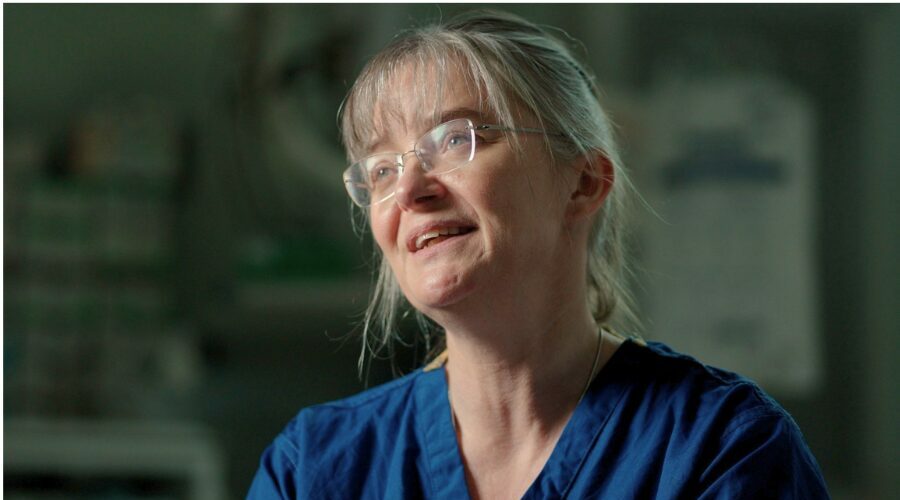
My name is Dr Jo Morrison. I‘m a consultant gynaecological cancer surgeon at Somerset NHS Foundation Trust and Honorary Associate Professor at the University of Exeter.
Cervical screening (a smear test) saves lives. Almost every cervical cancer can be prevented but every day in the UK, around nine women are diagnosed. Screening has made an enormous difference. The NHS programme started in 1988 and prevented around 65,000 cancers in England in the first five years alone. Despite this, cervical cancer is still the fourth most common cancer in women and people with a cervix worldwide. In the UK, cervical cancer is often diagnosed between the ages of 30 and 35.
Sadly, screening is at an all-time low, especially in younger people. In some areas, less than a quarter eligible are up to date. In Somerset, 2 in 5 people are out-of-date for screening. Even if you have had the HPV vaccine, screening is still important. The vaccine does not protect against all types of HPV. With vaccination, screening and treatment of pre-cancer, the World Health Organization hopes to eliminate cervical cancer by 2040.
Cervical screening is offered every five years from age 241/2 to everyone with a cervix. If your results are normal, you can stop screening after 60. Screening checks for human papillomavirus (HPV), which causes almost all cervical cancers. If HPV is found, the cells are checked under a microscope to find early cell changes, many years before cancer develops.
HPV is very common, and most people will have it at some point. Usually, the body clears the virus within 6 to 18 months. If it does not clear, it causes progressive cell changes over time.
These early changes are called CIN (cervical intraepithelial neoplasia). Mild changes often go back to normal on their own. More severe changes may need treatment to remove the abnormal cells, which can usually be done as a simple outpatient procedure.
We invite people for screening through the NHS App or by letter. You can book at your GP practice. Most people find the test only mildly uncomfortable. If you are worried, speak to the nurse. You can bring a friend for support, or specialist clinics are also available. During this cervical cancer week, encourage your loved ones to get their smear test.