

Spotlight
Don’t give Norovirus to your loved ones in hospitals over the holidays
No-one wants a vomiting bug as a Christmas present, but each winter many people unintentionally bring norovirus into hospitals and care home when visiting loved ones.
With the festive period upon us we're asking everyone to protect themselves and their loved ones against the winter vomiting bug, norovirus, by taking simple steps to stop the spread of the virus, particularly to vulnerable people.
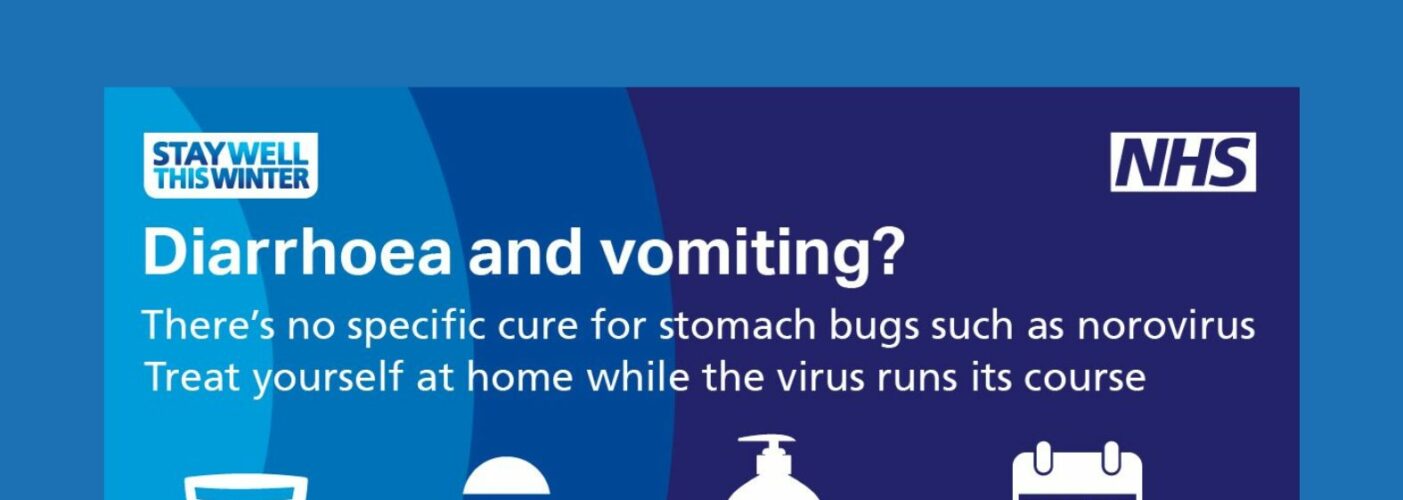
Norovirus is a highly contagious stomach bug that causes diarrhoea and vomiting. Most people will recover within a few days and can return to work or school. However if norovirus is introduced unintentionally into care homes and hospitals by visitors it can cause chaos, leading to ward closures and making it difficult for health care workers to treat vulnerable patients at the busiest time of the year.
When a hospital ward is classed as ‘closed’ due to a norovirus outbreak it means that the ward is closed to visitors and no further patients can be admitted until the outbreak is over – this can take weeks if the outbreak has affected a large number of patients. The same applies to care homes and, as the number of people visiting patients or residents rises during the Christmas period, the risk of well-meaning relatives passing on this nasty bug to their loved ones increases.
No-one wants norovirus for Christmas so follow these simple steps to stop the spread:
N No visits to hospitals, care homes and GP surgeries if you are suffering from symptoms of norovirus - send someone else to visit loved ones until you are better
O Once you’ve been symptom-free for at least 48 hours, you’re safe to return to work, school or visit hospitals and care home
R Regularly wash your hands with soap and warm water, especially after using the toilet, and before eating or preparing food
O Only hand-washing will prevent spread of Norovirus - alcohol hand gels DON’T kill the virus
If you have any suspicion that you have the symptoms of norovirus we would urge you to put off that visit to see a loved one in a care home or hospital this Christmas. Send someone else in your place, stay away until you have been free of symptoms for 48 hours – and give your relative the gift of a healthy happy Christmas day.
The symptoms of norovirus include suddenly feeling sick, projectile vomiting, and watery diarrhoea. Some people also have a slight fever, headaches, painful stomach cramps and aching limbs. The symptoms appear one to two days after you become infected and typically last for up to 2 or 3 days.
Take care to avoid getting other winter illnesses too
You can treat winter colds, flu and COVID-19 symptoms at home with medicines from a pharmacy or supermarket.
You can get help and advice from:
- a pharmacy – pharmacies can give treatment and advice for a range of minor illnesses and can tell you if you need to see a doctor
- your GP – you may be able to speak to a GP online or over the phone, or go in for an appointment if they think you need to
- NHS 111 – go to 111.nhs.uk if you have an urgent medical problem and you are not sure what to do
The sooner you get advice, the sooner you’re likely to start feeling better.
In an emergency, go to A&E immediately or call 999.
For more information, follow the links below:
Somerset FT website – Winter pressures – this page has information on how you can access emergency and non-urgent services, as well as mental health support and self-care advice. It also includes useful links to opening times for our Urgent Treatment Centres (UTCs) and Minor Injury Unit (MIU) in Somerset, and advice on children’s health and maternity.
NHS Somerset ICB website - Top Tips for looking after yourself over the festive season – this page covers top tips for how people can look after themselves this winter, and includes key information on pharmacy opening times, domestic abuse support, and cost-of-living support.
With a rise in winter viruses, particularly seen at our acute hospitals, we have also reintroduced the wearing of surgical masks in key high-risk areas in Musgrove Park and Yeovil District hospitals to help keep patients and colleagues safe - please look out for mask stations and notices in those areas.