

Spotlight
Help us to keep norovirus out of our hospitals this winter
As is very common in winter, like many hospitals across the country, we are experiencing a higher than usual level of norovirus across our hospitals, which is causing additional pressure on our services.
While visiting is open to family and loved ones as usual, our advice to members of the public who have family or friends in hospital is if you have any suspicion that you have the symptoms of norovirus, please put off that visit to see your loved one until you have been free of symptoms for 48 hours.
Norovirus is a highly contagious stomach bug. While most people recover within a few days, patients in our hospitals are already very vulnerable, so the impact can be much greater. With services under pressure, our teams are working hard to limit the spread — and we need your help. Please keep the virus out of our hospitals by following guidance and helping us protect those who need care most.
More information about norovirus
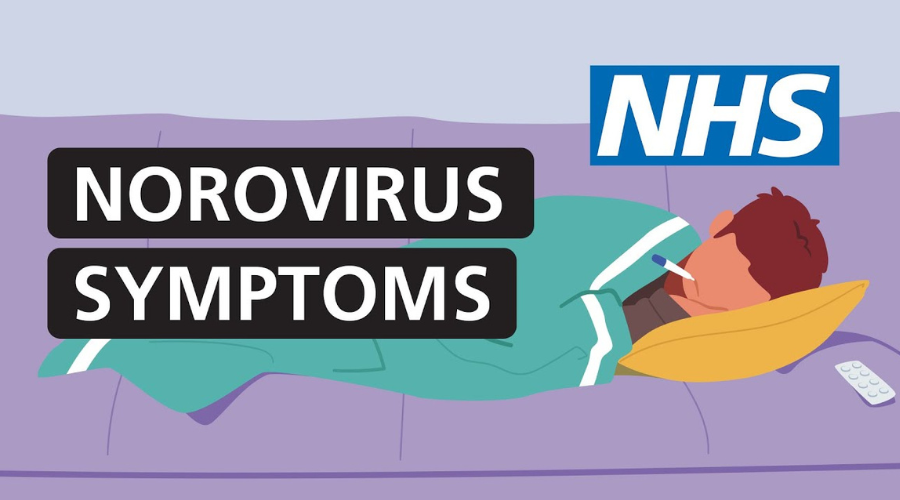
The symptoms of norovirus include suddenly feeling sick, projectile vomiting, and watery diarrhoea. Some people also have a slight fever, headaches, painful stomach cramps and aching limbs. The symptoms appear one to two days after you become infected and typically last for up to 2 or 3 days.
You can follow these simple steps to stop the spread:
N No visits to hospitals, care homes and GP surgeries if you are suffering from symptoms of norovirus - send someone else to visit loved ones until you are better
O Once you’ve been symptom-free for at least 48 hours, you’re safe to return to work, school or visit hospitals and care home
R Regularly wash your hands with soap and warm water, especially after using the toilet, and before eating or preparing food
O Only hand-washing will prevent spread of Norovirus - alcohol hand gels DON’T kill the virus
Take care to avoid getting other winter illnesses too
You can treat winter colds, flu and COVID-19 symptoms at home with medicines from a pharmacy or supermarket.
You can get help and advice from:
- a pharmacy – pharmacies can give treatment and advice for a range of minor illnesses and can tell you if you need to see a doctor
- your GP – you may be able to speak to a GP online or over the phone, or go in for an appointment if they think you need to
- NHS 111 – go to 111.nhs.uk if you have an urgent medical problem and you are not sure what to do
The sooner you get advice, the sooner you’re likely to start feeling better.
In an emergency, go to A&E immediately or call 999.