


Spotlight
Celebrating one year of eSTEP across our trust
This May marks one year since the electronic Somerset Treatment Escalation Plan (eSTEP) was launched across our trust – an important milestone in our commitment to compassionate, person‑centred care.
Over the past 12 months, eSTEP has become part of everyday clinical practice, supporting earlier, clearer and more meaningful conversations with patients and those close to them about future care and treatment.
The anniversary provides an opportunity to recognise the commitment of clinical teams across community, mental health and acute pathways who have embraced treatment escalation planning as a core part of good care.
Through strong clinical leadership, training and collaboration, eSTEP has helped build confidence in having these important conversations and ensured that patients’ wishes are recorded, visible and respected wherever they are receiving care.
As eSTEP continues to embed, the focus remains firmly on quality, ensuring plans are built on honest, sensitive conversations, reviewed regularly, and truly reflect what matters most to each individual.
The progress achieved in its first year provides a strong foundation for continued learning, improvement and shared working across Somerset.
More than 20,000 treatment escalation plans now live on Somerset’s shared care record
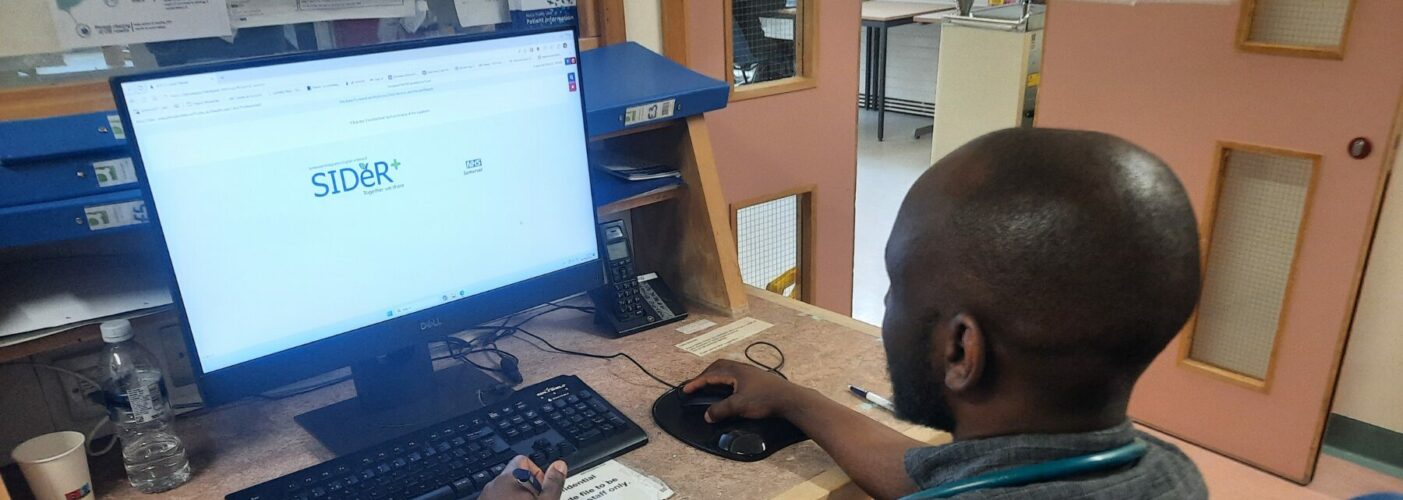
Alongside this first anniversary, another significant milestone has been reached, with more than 20,000 Somerset Treatment Escalation Plans (STEP) now live on SIDeR+, the county’s shared care record.
Together, these achievements highlight how treatment escalation planning is becoming a routine and valued part of care across Somerset.
The STEPs are clinical documents that record agreed decisions about a person’s care if their condition deteriorates. They are built around conversations between clinicians, patients and, where appropriate, families or carers, and help ensure care is delivered in line with what matters most to the individual.
Gemma Richards, our lead for the Somerset Treatment Escalation Plan, says the growing number of plans on SIDeR+ reflects a change in how routinely and confidently these conversations are now taking place.
“Each treatment escalation plan represents a meaningful conversation with a patient about their care,” she says.
“These aren’t easy discussions, and they’re never about ticking a box, but are more about understanding someone’s wishes, their priorities, and what good care looks like for them.”
Having plans recorded digitally and shared through SIDeR+ means they can be accessed by professionals across different services and care settings, helping to support consistent decision‑making at times when patients may not be able to speak for themselves.
“When someone’s condition changes suddenly, clinicians need clarity,” Gemma explains.
“Being able to see an up‑to‑date treatment escalation plan on the shared record helps teams act with confidence, knowing they’re respecting decisions that have already been discussed and agreed.”
Gemma says the milestone is less about the number itself and more about what it represents in practice.
“20,000 plans means 20,000 conversations,” she adds. “It tells us that proactive care planning is becoming part of everyday clinical practice across Somerset, rather than something that only happens very late or in a crisis.”
SIDeR+ brings together information from a range of health and care organisations, allowing treatment escalation plans to be viewed at the point they are needed most.
This can reduce uncertainty, avoid unnecessary repetition of difficult conversations, and help ensure patients receive care that aligns with their wishes wherever they are being cared for.
As work continues to embed treatment escalation planning across services, the growing use of eSTEPs on SIDeR+ is helping to strengthen shared understanding between patients, families and professionals.
“At its heart, this is about dignity and respect,” Gemma adds. “Recording these plans properly and making them visible helps ensure people are treated in the way they would want, even in very difficult moments.”