


Spotlight
Sustain your brain: You can reduce your risk of dementia
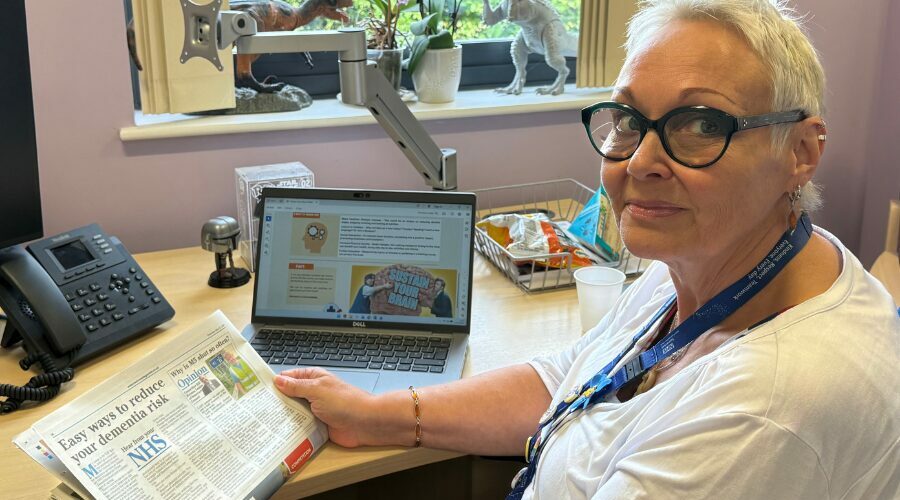
For Dementia Action Week, we've asked Dr Tiff to share with us her insight into dementia and what we can do to prevent it, which has been featured in Somerset County Gazette this week (Thursday 21 May). We will be producing a monthly column 'Hear from your NHS' on actions you can take to prevent ill health and keep well, with different clinicians penning articles with advice for patients in Somerset.
My name is Dr Tiff Earle, and I’m a consultant psychiatrist and the clinical director for dementia services at Somerset NHS Foundation Trust.
Dementia is not just a normal part of ageing. There’s lots we can do to maintain a healthy brain into old age, reducing the risk of getting dementia by up to 40%. Increasing age is the main risk factor for developing dementia, and we can’t stop ourselves getting older, but dementia is not inevitable.
Prevention is hugely important as there are currently no cures for dementia.
In Somerset, just under 10 000 people are estimated to be living with dementia. Our population is older than the national average, and is rising faster than in the rest of England too. By 2035 it’s estimated that 18 000 people will have dementia in Somerset, so we need to act now.
If you’re thinking about lowering your risk of dementia, the honest answer is there’s no guaranteed way to prevent it, but lots of everyday habits are strongly linked to better brain health and therefore a lower risk.
Here are some things can do now:
Regular physical activity: You don’t need anything extreme; consistency matters more than intensity. Gardening, walking the dog and housework count!
Physical health: Managing blood pressure, cholesterol, and blood sugar lowers the risk of dementia. Not smoking, keeping alcohol moderate, maintaining a healthy weight all fit here.
Diet: A diet rich in vegetables, fruits, whole grains, olive oil, fish, and nuts, are linked with lower risk.
Keeping your brain engaged: Things like learning new skills, reading, puzzles, languages and dancing, lower dementia risk.
Social interaction: Staying socially connected is surprisingly important as loneliness is linked with higher dementia risk.
Sleep: Poor sleep or untreated conditions like sleep apnoea can affect memory and long-term brain health.
Mental health: Chronic stress, anxiety, and depression can all affect cognition, so managing these, whether through lifestyle changes, therapy, or medical support, is worthwhile.
Some other factors can improve brain health: Having good dental hygiene; making sure you get help for hearing loss and wear any hearing aids recommended; making sure you seek advice around the menopause for women, and avoiding certain medications.
For more information use the link provided to take a brain health questionnaire.